Emotions are not just abstract psychological concepts; they are literally "energy in motion." Every emotion you experience creates a distinct physiological signature in your body, altering your heart rate, breath, hormone levels, and muscle tension. When an emotion is fully processed, it moves through the body and dissipates. When it is suppressed, it becomes trapped.
From a very young age, most of us are taught to suppress uncomfortable emotions. We are told not to cry, to calm down, and to hide our anger. Because this energy cannot simply vanish, the body stores it in the muscle fascia and organs.
The Geography of Trapped Emotions
Different types of suppressed emotions tend to pool in specific areas of the body, creating chronic physical symptoms over time.
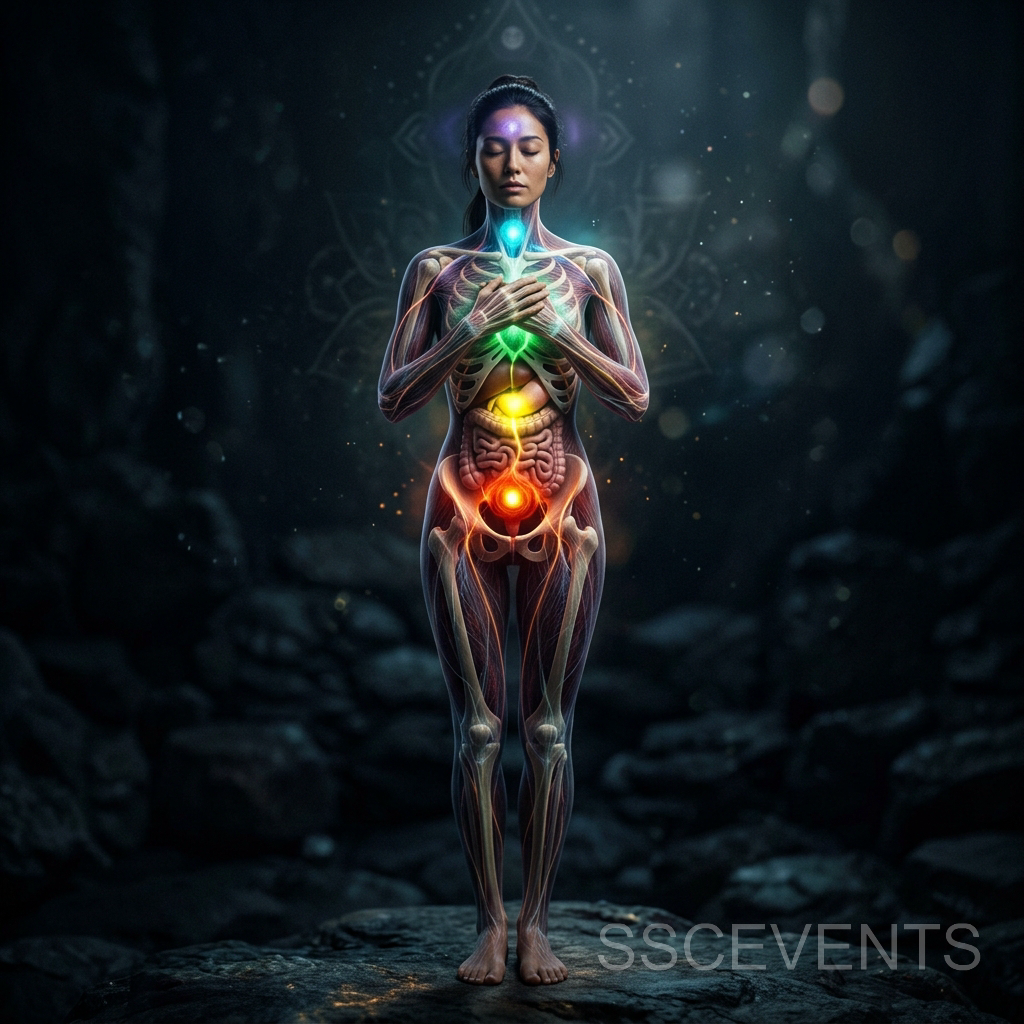
The body is an emotional archive; it remembers everything.
Where Do We Store Specific Emotions?
- The Hips and Pelvis: Often referred to as the "junk drawer" of the nervous system, the hips store immense amounts of unhealed trauma, fear, and unresolved sexual energy.
- The Jaw and Neck: Unexpressed anger, unspoken truths, and chronic frustration frequently manifest as TMJ, teeth grinding, and stiff necks.
- The Chest and Heart: Deep grief, heartbreak, and sadness are held in the chest, often resulting in shallow breathing and a collapsed posture.
- The Shoulders: The literal feeling of "carrying the weight of the world." Excessive responsibility and chronic stress pool here.
Conclusion
Understanding that your chronic pain or tension may have an emotional root is incredibly empowering. By utilizing somatic practices like breathwork, sounding, and movement, you can finally evict these old emotions and create space for vitality and joy.
Continue Your Healing Journey
Join us in person for our upcoming global retreats, day workshops, and immersive healing experiences.
View All Upcoming Events